
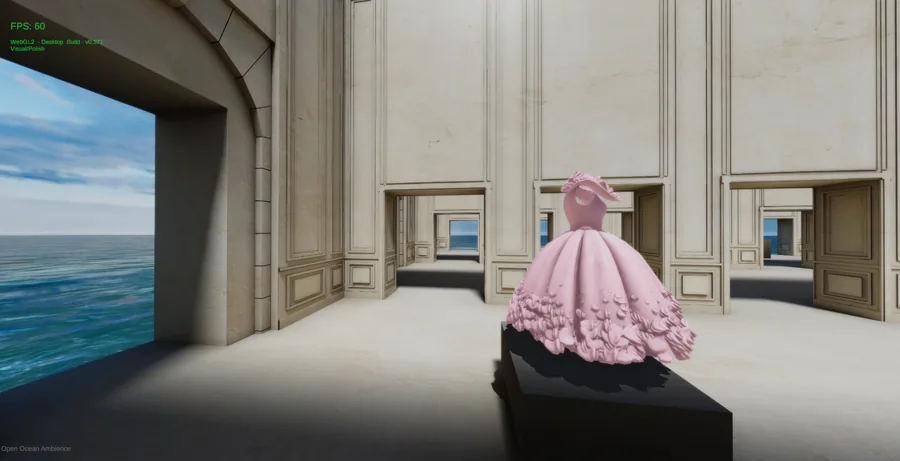
A fashion house in a browser tab
A Digital Fashion Week gallery in a browser, where every asset, shader and light is a negotiation with load time.
Shipped. Archviz-grade interiors inside a browser budget.
Hardware that speaks its own protocol. Live clients with players already inside them. WebGL against a load budget. VR that has to feel right on your face. Seven years of it.
Six jobs, and what shipped.
A Digital Fashion Week gallery in a browser, where every asset, shader and light is a negotiation with load time.
Shipped. Archviz-grade interiors inside a browser budget.
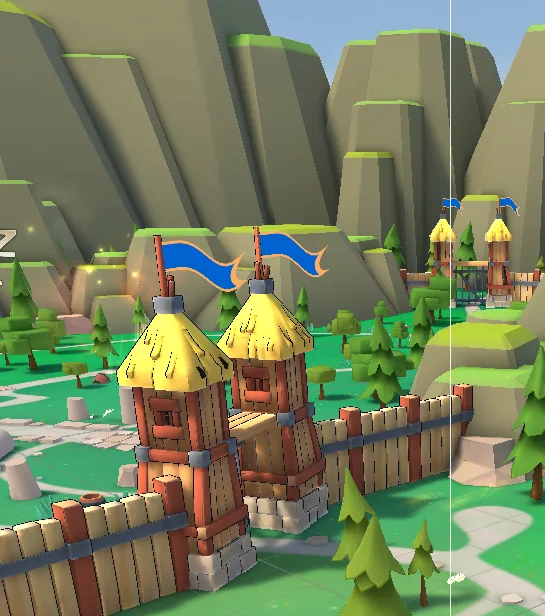
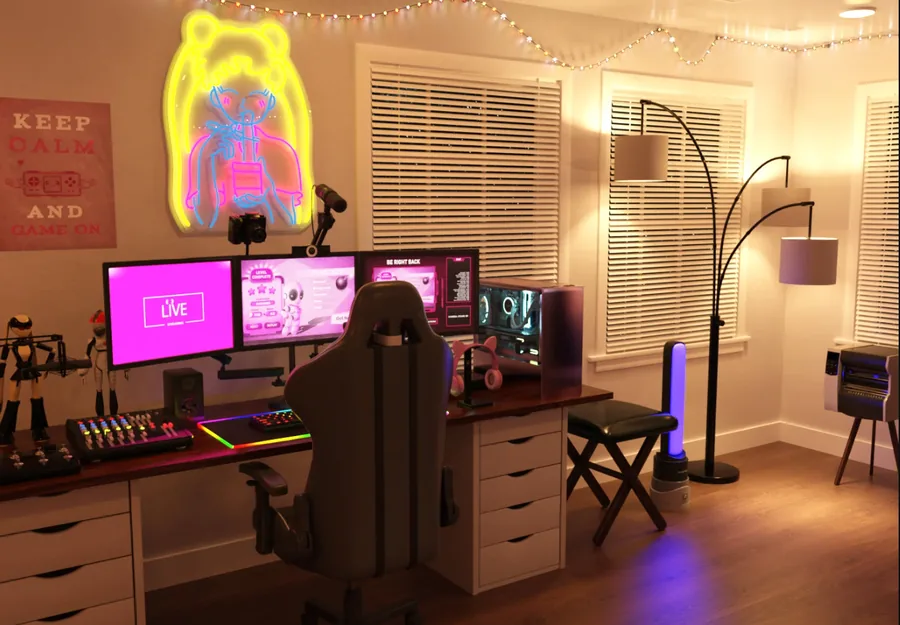
Onboarding, rewards, progression, world-map UI and research, inside a live game nobody gets to refactor. 3,000+ hours.
Shipped. Two and a half years of live economy UI. A layout bug there costs real money.
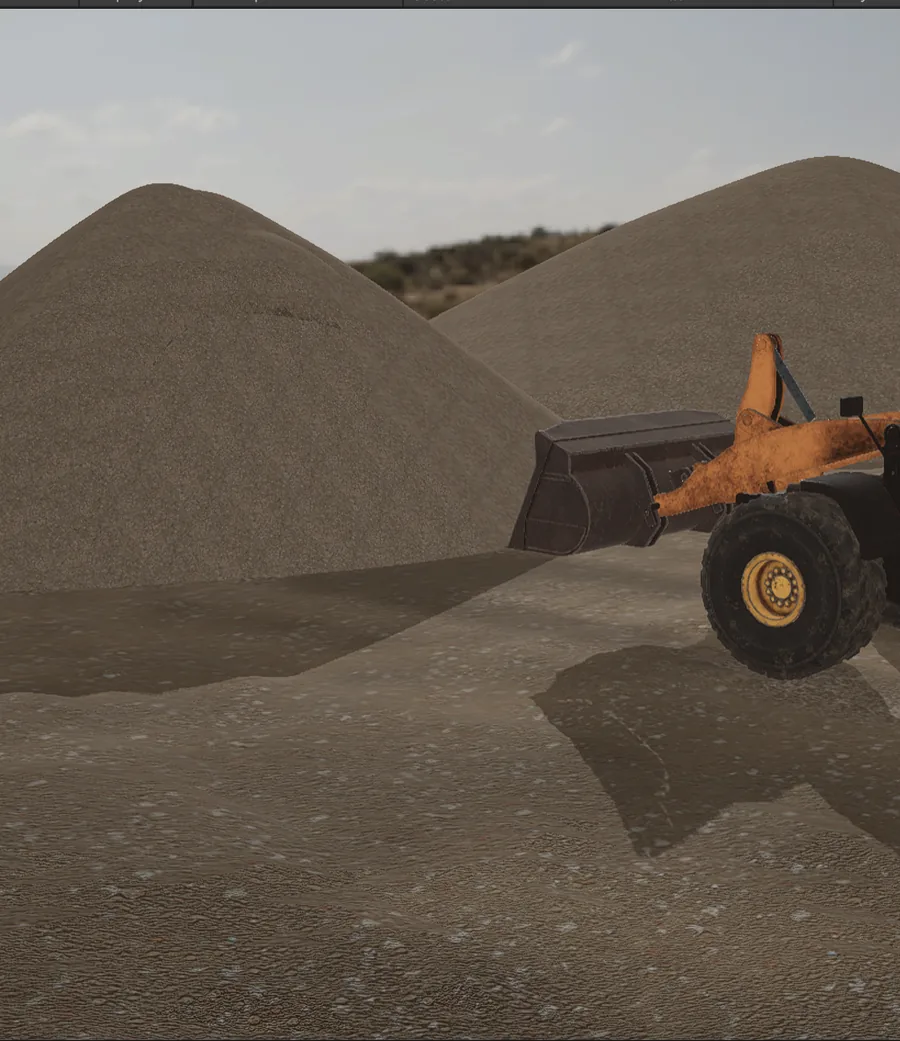
Compliance training in a browser. Sample too close to the pad edge and it says so right then, not quietly at the end.
Shipped. Runs in a tab. No install, no plugin, no headset.
> Calibration started.
> Reticle -> (329.08, 156.10)
> commit: “bug-ridden”
> commit: (the second one wasn't)
Inherited half-built, with the client receiving packets from the gun it couldn't read. We rewrote the controllers against the real packet and wrote the calibration.
Shipped. A calibrated trainer, protocol tested end to end.
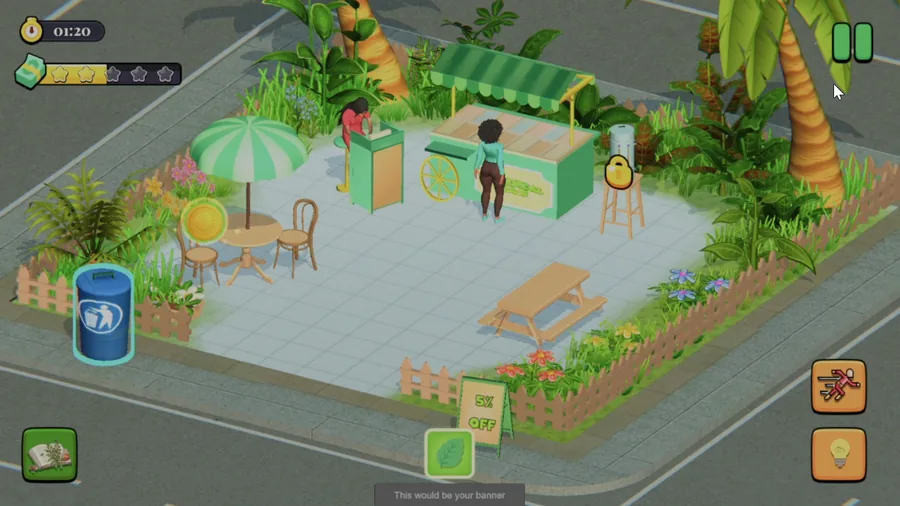
Not tickets — whole features, handed over and expected back working. Quest flow, garden interaction, progression UI, and the WebGL pass that keeps it inside a browser's memory ceiling.
Shipped. Features owned start to finish on the current Unity LTS.
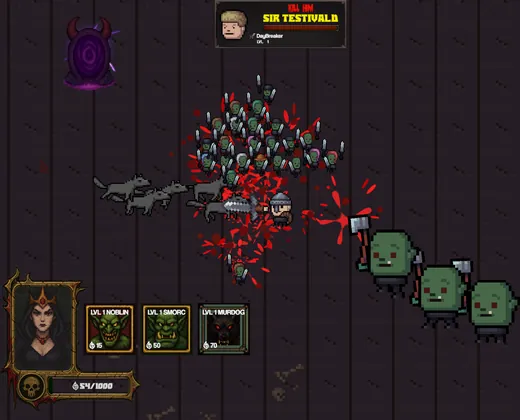
The hard part of a horde isn't spawning it — it's making a hundred simultaneous deaths legible. Cues that survive being stacked forty deep.
Shipped. Effects that read at crowd scale without the frame time going with them.
Dated off commits, not memory. It overlaps, because contract work never queues politely.
The client work pays for the studio. This is what it's for.
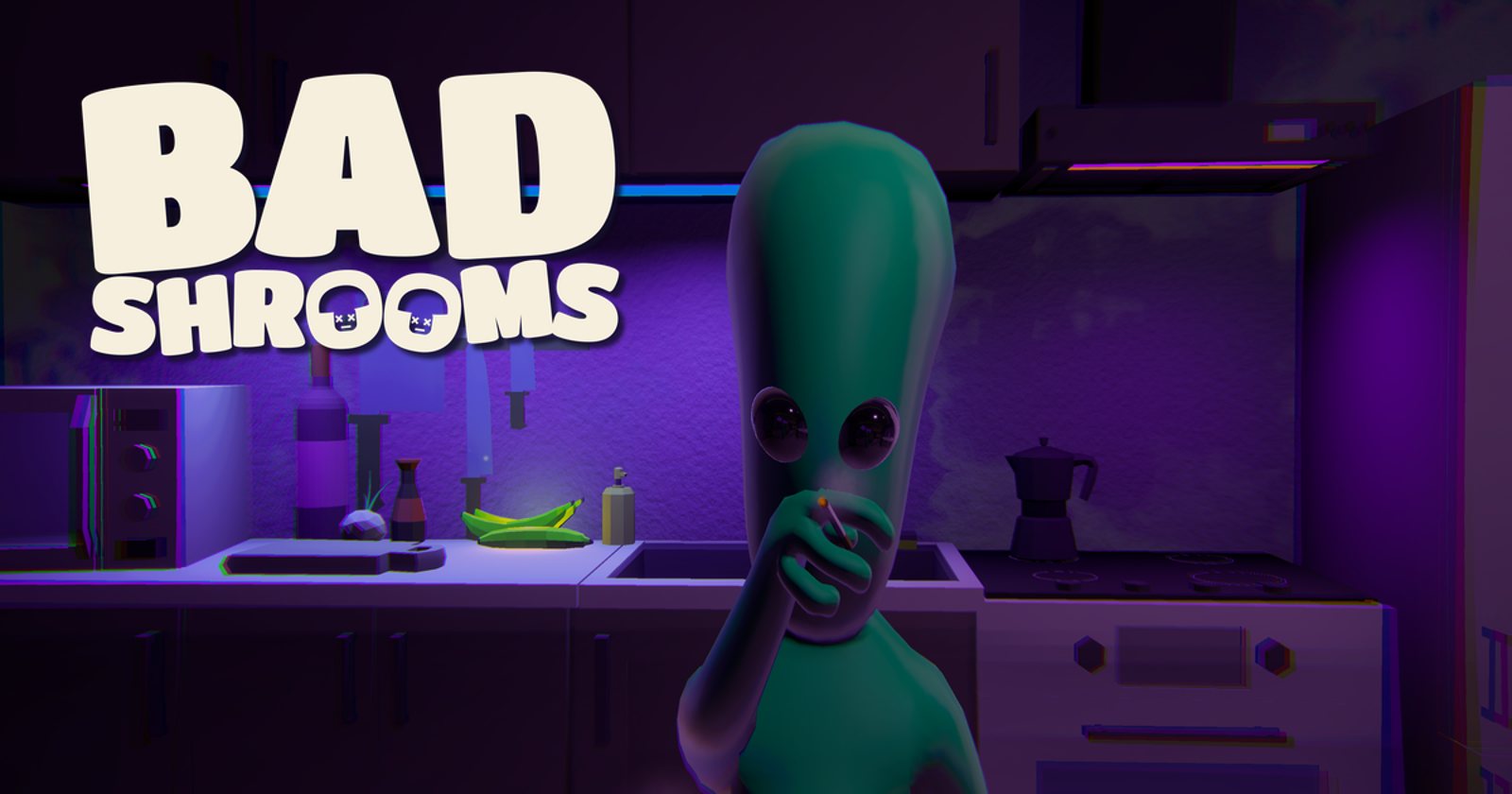
Free demo in Steam review. Early Access next.
Psychedelic first-person party game with an alien running the house like a game show. The two-player demo is in with Valve. Early Access goes to seven games and four players.
See the game pageReleased. Steam.
Our first release, built solo. Simple, but it reached a store page instead of dying in a folder, which turns out to be the hard part.
Find it on Steam2021. Browser.
Voxel work from the early days. Still loads in a browser, which is more than most 2021 web builds can say.
Play it on itch.ioFull builds, feature ownership, rescue jobs, and the integrations nobody else wants to put a number on. We'll say straight whether we're the right shop — including when we're not.
Something runs on your hardware in week one, badly, so the unknowns surface while they're cheap. Playable drops, not status calls.
50+ contracts. 5,000+ billed hours. 100% job success. Seven years. The books are open right now.